
AI Food Photography
Discover how AI food photography transforms restaurant marketing. Create realistic photos in hours, not days. Save costs, test plating, and unlock endless creativity.
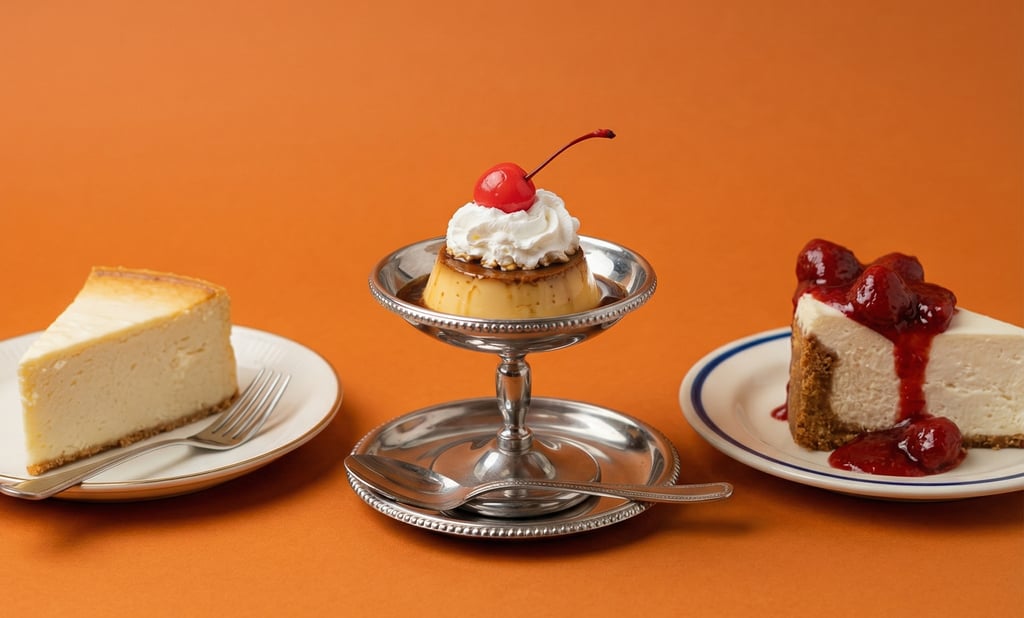
AI Food Photography: Revolutionary Technology Transforming Restaurant Marketing
Table of Contents
Introduction: The New Era of Food Photography
The restaurant industry has always understood one fundamental truth: people eat with their eyes first. In today's digital-first world, where social media feeds and online menus serve as the primary touchpoint between restaurants and potential customers, high-quality food photography has become more critical than ever. However, traditional food photography comes with significant challenges including high costs, time-consuming production schedules, and logistical complexity.
Enter AI food photography, a groundbreaking technology that's revolutionizing how restaurants, food brands, and culinary entrepreneurs create visual content. This innovation isn't just changing the game; it's rewriting the rules entirely, making professional-quality food imagery accessible to businesses of all sizes.
What is AI Food Photography?
AI food photography leverages advanced artificial intelligence and machine learning algorithms to generate, enhance, or transform food images. Unlike traditional photography that requires professional photographers, expensive equipment, styling teams, and controlled studio environments, AI food photography uses computational power to create stunning visuals from simple inputs.
The technology works by understanding the visual characteristics of food, lighting conditions, plating arrangements, and styling principles. Modern AI models have been trained on millions of food images, enabling them to generate realistic photographs that capture texture, color, and presentation with remarkable accuracy.
Key Components of AI Food Photography:
Image Generation: Creating entirely new food photographs from text descriptions or reference images
Image Enhancement: Improving existing photos with better lighting, color correction, and styling
Background Replacement: Changing settings and environments without reshooting
Plating Visualization: Testing different presentation styles digitally before physical execution
The Realism Revolution: Why Your Food Won't Look Fake
One of the earliest criticisms of AI-generated imagery was its artificial appearance. Early models produced images that, while interesting, clearly looked computer-generated. However, the latest generation of AI food photography models has shattered this limitation.
The Authenticity Breakthrough
New AI models create photorealistic images that are virtually indistinguishable from traditional photography. These systems understand the subtle nuances that make food look appetizing: the glistening of a perfectly seared steak, the delicate steam rising from fresh pasta, the natural imperfections that make food feel authentic, and the way light interacts with different textures and surfaces.
The technology now captures details that were once the exclusive domain of expert food photographers, including the way condensation forms on a cold beverage glass, how herbs naturally fall when garnishing a dish, the organic arrangement of ingredients in a salad, and realistic shadows and depth of field that create dimensional appeal.
Why Realism Matters
For restaurants and food brands, authenticity isn't just aesthetic; it's ethical and practical. Customers expect that what they see in marketing materials reflects what they'll receive. AI food photography now delivers this promise, creating images that accurately represent your dishes while presenting them in the most appealing light possible.
Unlimited Creative Possibilities
One of the earliest criticisms of AI-generated imagery was its artificial appearance. Early models produced images that, while interesting, clearly looked computer-generated. However, the latest generation of AI food photography models has shattered this limitation.
The Authenticity Breakthrough
New AI models create photorealistic images that are virtually indistinguishable from traditional photography. These systems understand the subtle nuances that make food look appetizing: the glistening of a perfectly seared steak, the delicate steam rising from fresh pasta, the natural imperfections that make food feel authentic, and the way light interacts with different textures and surfaces.
The technology now captures details that were once the exclusive domain of expert food photographers, including the way condensation forms on a cold beverage glass, how herbs naturally fall when garnishing a dish, the organic arrangement of ingredients in a salad, and realistic shadows and depth of field that create dimensional appeal.
Why Realism Matters
For restaurants and food brands, authenticity isn't just aesthetic; it's ethical and practical. Customers expect that what they see in marketing materials reflects what they'll receive. AI food photography now delivers this promise, creating images that accurately represent your dishes while presenting them in the most appealing light possible.
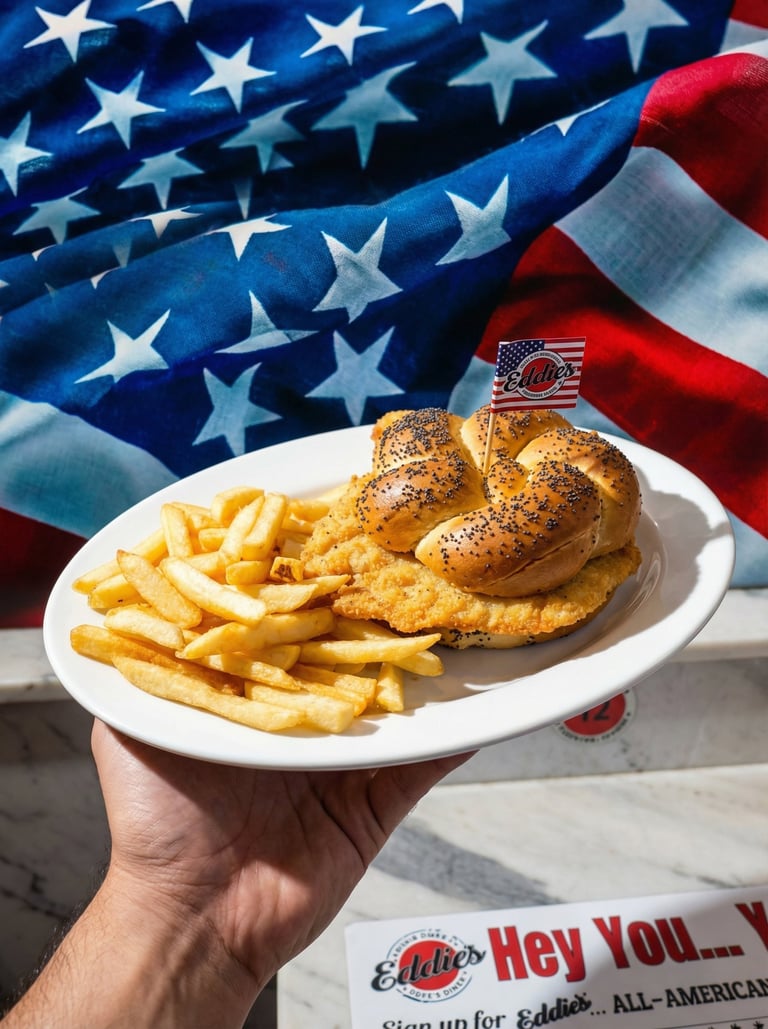
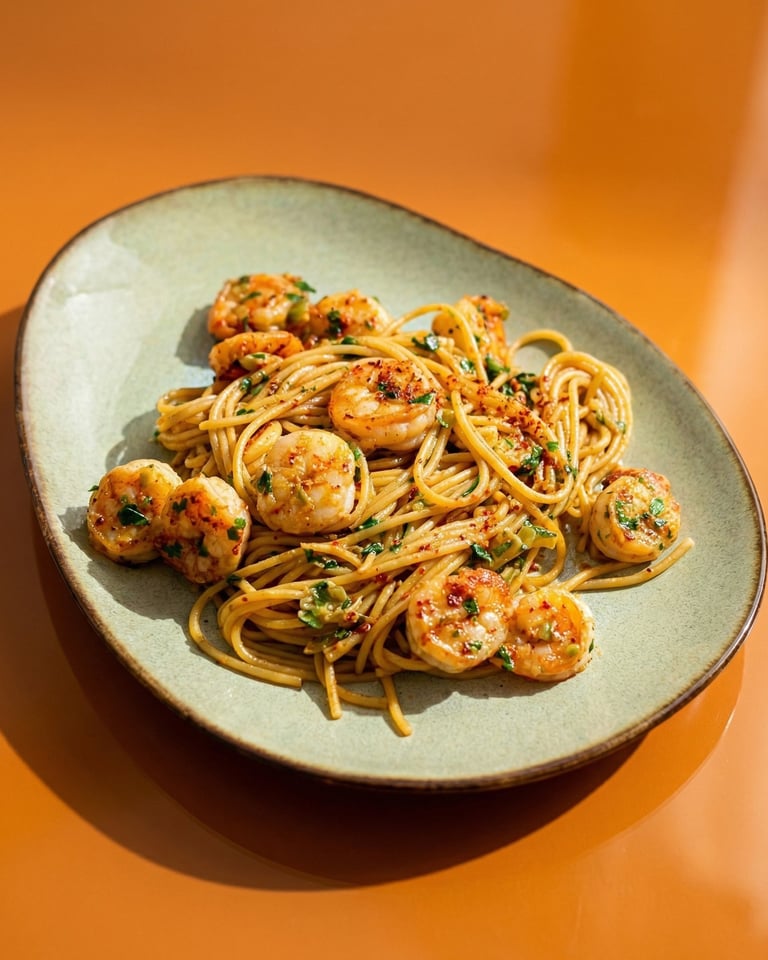
The Virtual Photo Studio.
Complete control over composition, lighting, and mood—without touching a camera.
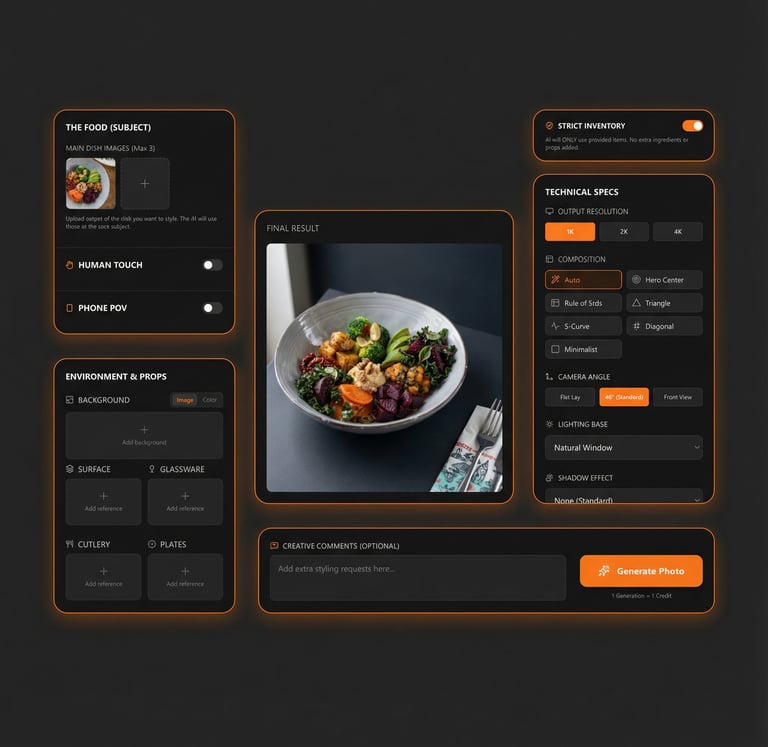
Ultra-High Definition: 4K Resolution ready for print & social.
Bulk Generation: 55 unique variations per package.
Commercial License: 100% yours to use for ads, menus, and socials.
Early Birds Plan
39$ Monthly Subscription
70 images 4K
Sign Up and get 5 free image generation


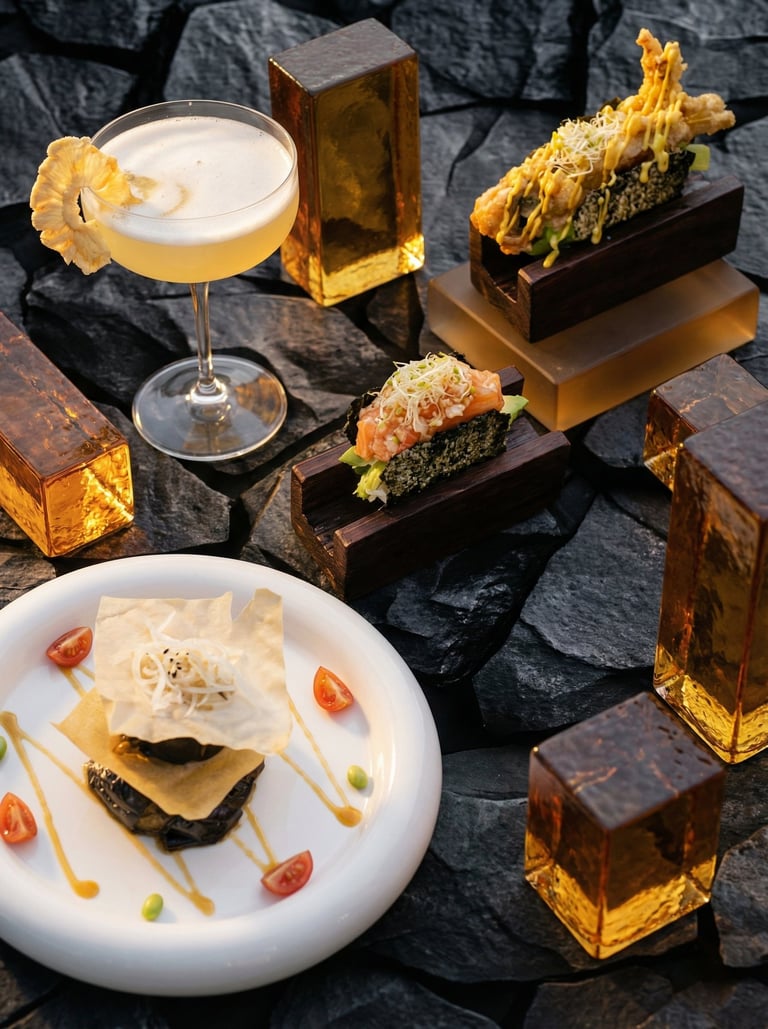
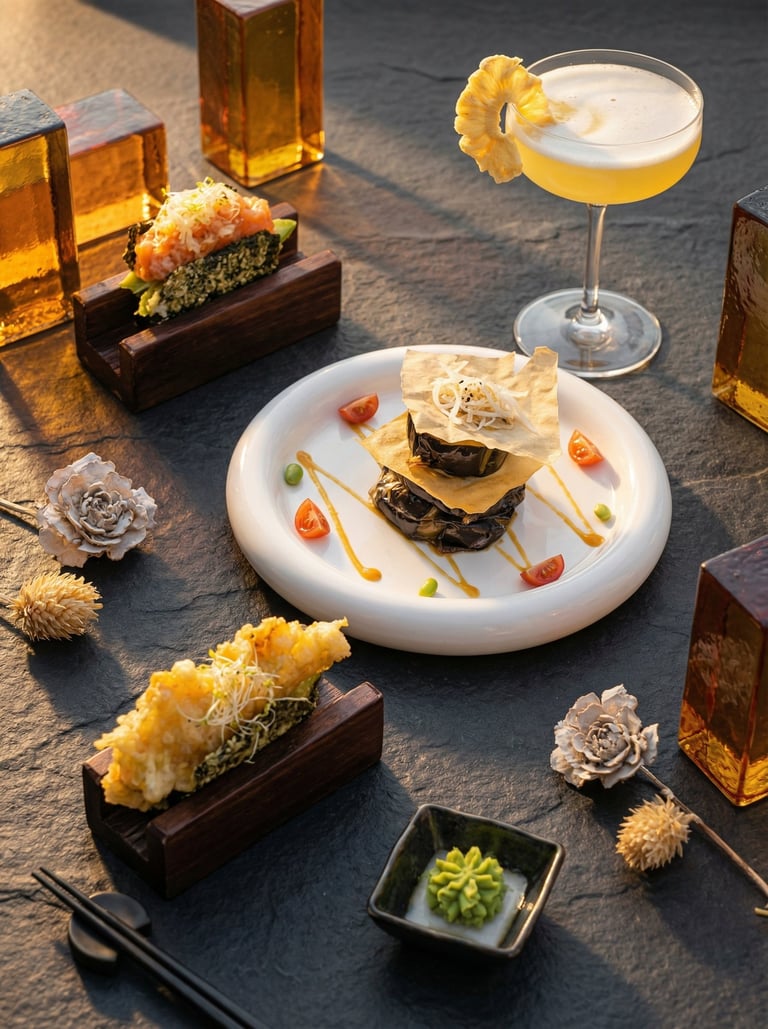
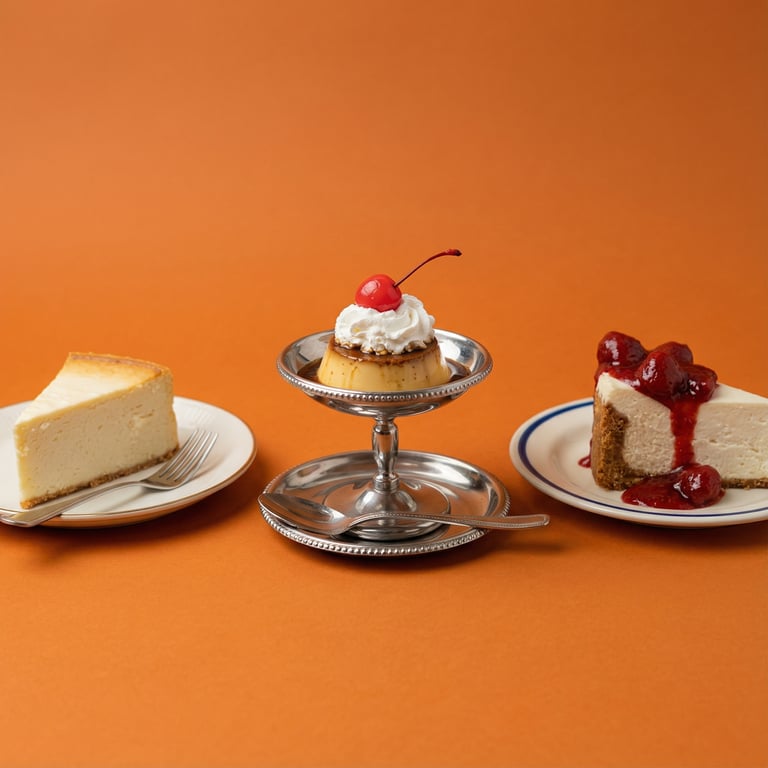
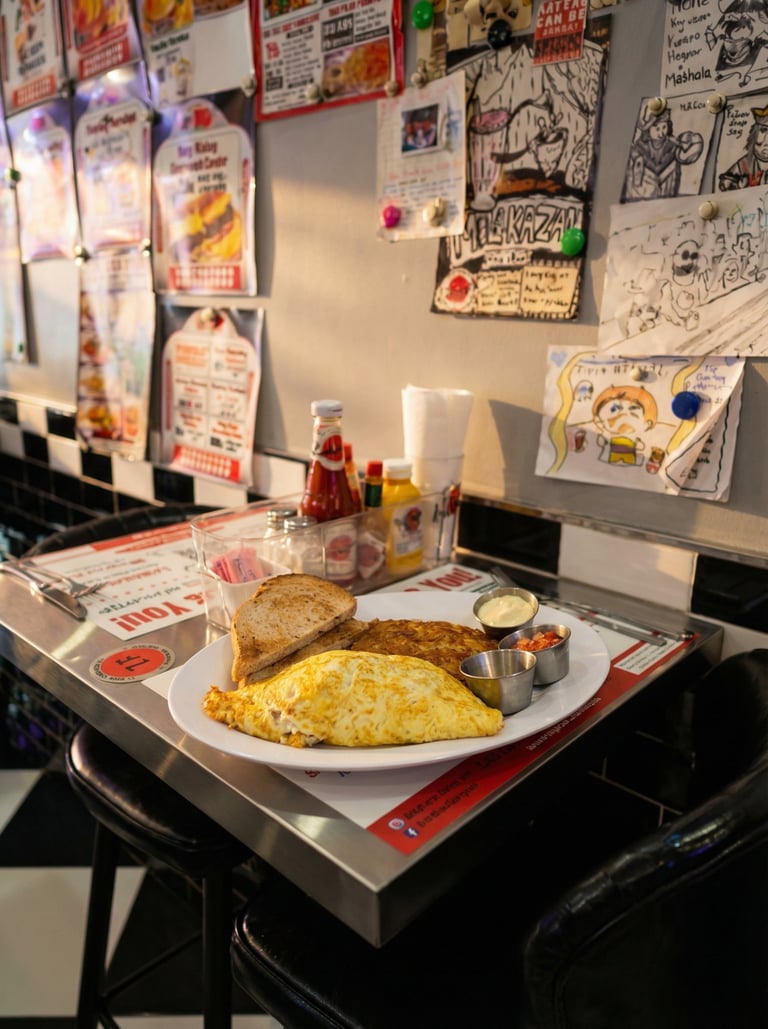
Time and Cost Savings: From Days to Hours
The economics of traditional food photography are prohibitive for many restaurants, particularly independent establishments and small chains. A professional food photography shoot typically requires coordinating multiple specialists (photographer, food stylist, prop stylist, assistant), renting studio space or preparing on-location shoots, purchasing or preparing multiple versions of each dish, dedicating hours or full days to the shoot itself, and allocating additional time for post-production editing.
The Traditional Photography Timeline
A typical restaurant menu photography project might unfold like this: Week 1-2 involves planning, concept development, and scheduling; Week 3 includes prop selection and location preparation; Week 4 features the actual shoot day (often 8-12 hours); and Week 5-6 covers post-production and final delivery. This timeline doesn't account for revision rounds or the need to coordinate around restaurant operations.
The AI Food Photography Advantage
With AI food photography, this timeline compresses dramatically. The same project can be completed in a matter of hours rather than weeks. You can take quick reference photos with your phone, upload images to the AI platform, experiment with different styling options instantly, and generate final images in minutes rather than days.
Cost Comparison
Traditional food photography shoots can range from $1,500 to $10,000 or more depending on scope and market. AI food photography reduces costs to a fraction of this expense, essentially becoming equivalent to the cost of the food itself, plus a modest software subscription or usage fee. For restaurants producing regular content for social media and marketing, the savings multiply exponentially over time.
Kitchen-to-Content: Photography During Service Hours
One of the most practical innovations AI food photography enables is the ability to create marketing content during actual service hours. This represents a fundamental shift in how restaurants approach content creation.
The Smartphone Revolution
Modern smartphones produce remarkably high-quality images, and when combined with AI enhancement technology, they become powerful content creation tools. Chefs and kitchen staff can capture dishes as they're being prepared for actual customers, ensuring authenticity while eliminating the waste associated with preparing food solely for photography.
Building Your Gallery Organically
Rather than blocking out an entire day for a photography shoot, restaurants can build their content library gradually and naturally. As new dishes come off the line, a quick photo with proper lighting captures the essence. The AI platform then transforms these functional photos into polished marketing assets.
Real-Time Content Creation
This approach enables restaurants to respond to demand in real-time. If a particular dish is trending on social media or receiving positive attention, you can quickly generate additional marketing content to capitalize on the momentum. Similarly, when introducing daily specials or limited-time offerings, content can be created and published the same day.
Testing and Experimentation Made Easy
Menu development is both an art and a science, requiring careful consideration of flavor profiles, ingredient costs, preparation complexity, and visual appeal. AI food photography introduces a new dimension to this process by enabling visual testing before committing to physical execution.
Pre-Production Visualization
Before investing time and ingredients in recipe development, chefs can experiment with different plating concepts digitally. You can test various plate sizes and shapes, explore different garnishing approaches, visualize sauce placement and portion sizes, and compare ingredient arrangements side by side.
Reducing Food Waste
Traditional food photography notoriously generates waste, as dishes must be prepared multiple times to achieve the perfect shot. AI photography eliminates this waste by allowing unlimited digital iterations without cooking a single additional dish.
Collaborative Decision Making
When working with multiple stakeholders including executive chefs, restaurant owners, and marketing teams, AI food photography facilitates collaborative decision-making. Team members can review and provide feedback on digital representations before committing to final plating decisions.
Customization at Your Fingertips: Light, Background, and Beyond
The level of customization available through AI food photography would be prohibitively expensive or technically impossible with traditional methods. The technology allows you to modify virtually every aspect of your food imagery without reshooting.
Upload and Transform
The workflow is remarkably straightforward. You can upload images of your food as prepared in your kitchen, then experiment with different plate options to visualize how your dish would look in various presentations. A rustic pasta dish might be tested on modern white porcelain, vintage ceramic plates, or contemporary black stone platters, all without owning multiple plate collections.
Lighting Control
Lighting dramatically affects food photography, influencing mood, perceived freshness, and appetite appeal. AI platforms allow you to adjust natural daylight versus artificial lighting, modify shadow intensity and direction, change color temperature from warm to cool, and create dramatic or subtle lighting effects based on your brand aesthetic.
Background Versatility
Context matters in food photography. The same dish can communicate different messages depending on its environment. With AI food photography, you can instantly place your dishes in rustic wooden table settings, modern minimalist environments, outdoor picnic scenarios, elegant fine-dining contexts, or any custom background that aligns with your brand story.
Seasonal Adaptations
A single photograph can be adapted for different seasonal campaigns. Summer menu items might be shown with bright, airy backgrounds and natural light, while the same dishes can be repositioned in cozy, warm settings for winter promotions, all without additional photography.
Content Kitchen: Leading the AI Food Photography Revolution
As AI food photography technology matures, specialized platforms are emerging to serve the unique needs of the food and beverage industry. Among these, Content Kitchen Company stands out as a purpose-built solution tailored specifically for restaurant needs and passionate FnB professionals.
Restaurant-Specific Features
Content Kitchen understands the unique challenges restaurants face in content creation. The platform offers intuitive interfaces designed for kitchen staff and restaurant operators, not just marketing professionals, pre-configured styling options that reflect current food trends, integration capabilities with social media and marketing platforms, and templates optimized for common restaurant marketing needs from menu boards to Instagram stories.
Empowering FnB Professionals
Whether you're a Michelin-starred establishment or a neighborhood cafe, Content Kitchen democratizes access to professional-quality food photography. The platform recognizes that passion for food and beverage doesn't require technical photography expertise, and makes sophisticated AI technology accessible to users at all skill levels.
The Complete Solution
Content Kitchen provides end-to-end support for the entire content creation workflow including easy upload and organization of existing food images, AI-powered enhancement and generation capabilities, extensive libraries of plates, backgrounds, and styling options, export formats optimized for different platforms and uses, and collaborative features for teams to review and approve content.
Learning Resources and Community
Beyond the technology itself, Content Kitchen fosters a community of FnB professionals sharing best practices, offering tutorials and guides for maximizing AI food photography, and providing inspiration through user-generated content galleries. This ecosystem approach ensures users get maximum value from the platform while continuously improving their visual marketing strategies.
Frequently Asked Questions
Q: Will AI-generated food photos look fake or obviously computer-generated?
A: No. The latest AI food photography models create photorealistic images that are virtually indistinguishable from traditional photography. These systems understand food texture, lighting, and presentation at a sophisticated level, producing images that look authentically appetizing and professional.
Q: How much can I realistically save compared to traditional food photography?
A: Savings vary by scope, but most restaurants report reducing photography costs by 70-90%. A traditional shoot costing $3,000-5,000 can be replaced by AI solutions costing the equivalent of food costs plus modest software fees. For ongoing social media content, savings compound significantly over time.
Q: Can I really take photos during service hours and create marketing content?
A: Yes. One of the key advantages of AI food photography is that you can capture quick reference images with your smartphone during regular service, then use AI to transform these into polished marketing assets. This eliminates the need for dedicated photography sessions that disrupt kitchen operations.
Q: Do I need photography skills to use AI food photography platforms?
A: No. Platforms like Content Kitchen are specifically designed for restaurant operators and FnB professionals, not photographers. The interfaces are intuitive, and the AI handles technical aspects like lighting, composition, and color correction automatically.
Q: Can I test different plating styles before physically preparing the dish?
A: Absolutely. This is one of the most valuable features of AI food photography. You can upload an image of your food and digitally experiment with different plates, arrangements, and garnishes before committing to a final presentation, reducing both time and food waste.
Q: How does the technology handle different types of food and cuisines?
A: Modern AI food photography models are trained on diverse datasets representing global cuisines and food types. Whether you're photographing sushi, pizza, curry, desserts, or beverages, the technology understands the unique characteristics and presentation standards of different culinary traditions.
Q: Can I change backgrounds and lighting after taking the photo?
A: Yes. AI food photography technology allows you to modify virtually every environmental element including backgrounds, lighting direction and intensity, color temperature, props and table settings, and seasonal or contextual elements, all without reshooting the original image.
Q: Is this technology suitable for small restaurants and independent establishments?
A: Very much so. In fact, AI food photography is particularly beneficial for small operations that previously couldn't afford professional photography. The democratization of high-quality food imagery levels the playing field, allowing independent restaurants to compete visually with larger chains.
Q: How quickly can I generate content for social media campaigns?
A: Compared to traditional photography that takes days or weeks, AI food photography generates content in minutes or hours. You can conceive, create, and publish social media content on the same day, enabling much more responsive and agile marketing strategies.
Q: Will my customers be disappointed if the AI photos don't match the real food?
A: This is a valid concern, which is why leading AI food photography platforms prioritize realism over fantasy. The goal is accurate representation that shows your food in the best light, not unrealistic depictions. When used ethically, AI food photography creates expectations that align with actual dishes while presenting them attractively.
Conclusion: The Future is Here
AI food photography represents more than just a technological advancement; it's a fundamental democratization of high-quality visual marketing for the food and beverage industry. By making professional-grade food imagery accessible, affordable, and quick to produce, this technology empowers restaurants of all sizes to compete effectively in an increasingly visual marketplace.
The combination of photorealistic image quality, unlimited creative possibilities, dramatic time and cost savings, integration with daily kitchen operations, pre-production testing capabilities, and extensive customization options creates a compelling value proposition that's transforming how the industry approaches content creation.
As platforms like Content Kitchen continue to refine and expand their capabilities, the gap between what's possible and what's practical continues to narrow. For restaurants, cafes, food brands, and culinary entrepreneurs, the message is clear: the future of food photography is here, and it's more accessible than ever before.
Whether you're looking to refresh your entire menu photography, maintain an active social media presence, test new plating concepts, or simply save time and money on marketing content, AI food photography offers solutions that were unimaginable just a few years ago. The technology truly opens all possibilities for business creativity and growth, transforming the relationship between culinary artistry and visual marketing.
The question is no longer whether AI food photography will become mainstream, it's how quickly restaurants will adopt this revolutionary technology to stay competitive in an increasingly visual world.
© 2025 LureForce Co. LTD. All Rights Reserved. Designed and Managed by LureForce Co. LTD., Vietnam.

Revolutionizing culinary marketing through Generative AI. We provide high-fidelity, consistent food photography solutions tailored for F&B brands, SMM professionals, and digital creators.